How to Choose the Best Cargo Truck for Your Business
Selecting the right cargo truck for a business is an important decision because the wrong vehicle can increase fuel expenses, maintenance costs, and delivery delays over time. Every business has different transportation needs, so owners should carefully compare engine performance, loading capacity, durability, and long-term operating costs before making a final purchase decision. Additionally, modern commercial vehicles now include advanced safety systems and fuel-saving technologies that improve efficiency, reliability, and overall business productivity.
Understanding Your Business Transportation Needs
Before purchasing any commercial vehicle, companies should first analyze their transportation requirements because every industry demands different loading capacities, driving distances, and fuel efficiency levels for daily operations. Businesses involved in urban deliveries often require compact models with better maneuverability, while construction and industrial sectors usually depend on heavy-duty options capable of carrying larger equipment and materials safely over long distances.
Additionally, owners should calculate average cargo weight, delivery frequency, and road conditions because these factors directly influence vehicle performance and operational costs over time. Companies operating in cities with narrow roads may prefer medium-sized vehicles, whereas long-distance logistics providers usually choose larger transportation units with stronger engines and enhanced suspension systems. Careful planning helps organizations avoid unnecessary expenses while improving overall transportation efficiency significantly.
Important Features to Consider Before Buying
Engine performance plays a major role when selecting a suitable transportation vehicle because powerful engines improve reliability during long-distance deliveries and demanding commercial operations. Fuel efficiency is equally important since rising fuel prices can greatly affect business profitability over time, especially for companies operating large transportation fleets daily.
Safety technology should never be ignored because modern systems such as anti-lock braking, lane assistance, and stability control reduce accident risks while improving driver confidence significantly. Furthermore, businesses should compare maintenance costs, spare part availability, and service center accessibility because these factors influence long-term operational stability and repair expenses.
Loading flexibility is another important consideration because different industries transport different products requiring specialized compartments, refrigeration systems, or flatbed configurations. Businesses should also evaluate warranty coverage and resale value before making any investment decision because reliable vehicles maintain higher market value for longer periods.
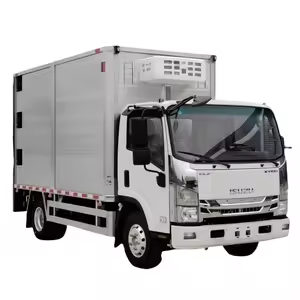
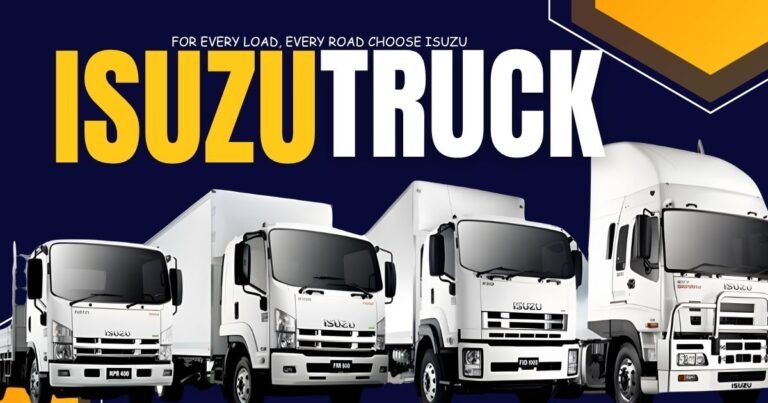
Isuzu N-Series
This model is highly popular among logistics companies because it combines fuel efficiency, durability, and comfortable driving features for daily commercial transportation operations.
Hino 300 Series
The Hino 300 Series offers excellent reliability and advanced safety technology, making it suitable for urban delivery services and medium-sized transportation businesses.
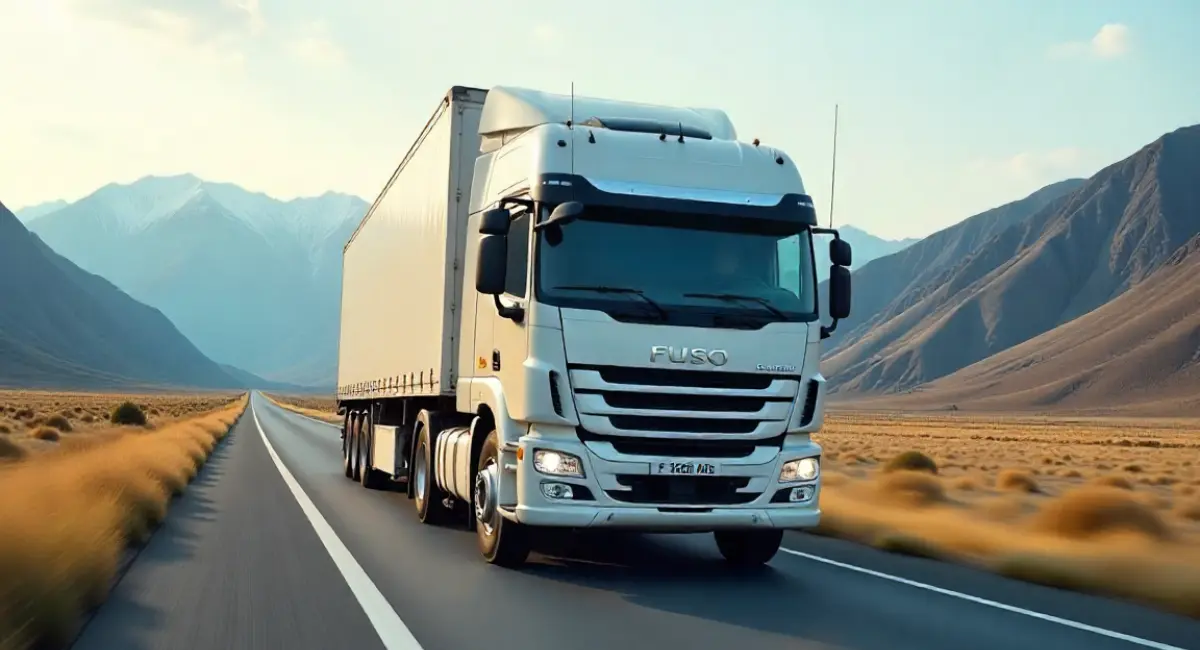
Mitsubishi Fuso Canter
This commercial vehicle is known for its compact design, fuel-saving engine, and dependable performance during long working hours in busy transportation environments.
Toyota Dyna
Toyota Dyna provides strong engine performance and affordable maintenance costs, which makes it a practical option for small and medium-sized business operations.
Ford F-Series
Ford F-Series vehicles deliver impressive towing capability and advanced driving technology, making them suitable for construction companies and industrial transportation tasks.
Why Fuel Efficiency Matters
Fuel expenses represent one of the largest operational costs for transportation businesses because vehicles operating daily consume large amounts of diesel or petrol throughout the year. Therefore, choosing fuel-efficient models helps organizations reduce monthly operating expenses while increasing overall profitability in highly competitive logistics markets.
Modern transportation vehicles now include eco-friendly engines, aerodynamic designs, and intelligent fuel management systems that improve mileage without reducing performance levels. Additionally, regular maintenance, proper tire pressure, and controlled driving habits also contribute significantly toward lowering fuel consumption during daily commercial operations.
Businesses focusing on fuel-efficient transportation solutions can improve long-term financial stability while reducing environmental impact at the same time. Many modern logistics now prioritize sustainability because environmentally responsible operations enhance brand reputation and customer trust considerably.
How Early Cargo Trucks Changed Transportation
The development of the Early Cargo Truck industry transformed global transportation by replacing slower horse-drawn delivery systems with powerful motorized commercial vehicles capable of carrying larger loads over greater distances efficiently. During the early twentieth century, businesses quickly adopted commercial transportation vehicles because they improved delivery speed, reduced labor requirements, and expanded market reach significantly.
As technology evolved, manufacturers introduced stronger engines, improved suspension systems, and better safety features that increased transportation reliability for businesses worldwide. Additionally, modern logistics operations now depend heavily on advanced navigation systems, fuel-efficient engines, and digital fleet management tools for improved efficiency.
Understanding the evolution of commercial transportation helps business owners appreciate how technological advancements continue improving operational productivity and delivery performance across various industries today.
What Should Businesses Check Before Buying?
Businesses should carefully evaluate operational requirements, transportation distances, loading capacity, maintenance costs, and fuel efficiency before purchasing any commercial transportation vehicle because these factors directly affect profitability and daily business performance. Companies operating in urban areas often require smaller and fuel-efficient models capable of navigating crowded roads easily, while industrial businesses may need heavy-duty vehicles designed for larger cargo loads and long-distance transportation operations. Furthermore, owners should compare safety technology, spare part availability, warranty coverage, and resale value because reliable support services reduce unexpected repair expenses over time. Financial planning is equally important because transportation investments require long-term budgeting for fuel, insurance, servicing, and driver training expenses. Businesses that conduct detailed market research before purchasing commercial vehicles usually achieve better transportation efficiency and improved operational stability over several years.
Why is fuel efficiency important?
Fuel efficiency is extremely important for logistics and transportation businesses because fuel costs represent a major percentage of operational expenses throughout the year, especially for companies managing multiple delivery routes daily. Vehicles with advanced fuel-saving technologies help organizations lower monthly operating costs while maintaining reliable transportation performance during demanding commercial operations. Additionally, efficient engines reduce carbon emissions, allowing businesses to improve environmental sustainability and strengthen their professional reputation among environmentally conscious customers. Proper maintenance practices such as regular engine servicing, tire inspections, and controlled driving habits also improve fuel economy significantly over long-term operations. Businesses investing in fuel-efficient transportation solutions often experience higher profitability because lower fuel consumption reduces financial pressure during periods of rising energy prices and increasing operational demands.
How Did Early Cargo Trucks Influence Modern Transport?
The Early Cargo Truck industry played a major role in transforming commercial transportation because businesses previously depended on slower delivery systems that limited distribution efficiency and market expansion opportunities significantly. Early motorized transportation vehicles improved delivery speed, increased loading capacity, and allowed companies to transport products across longer distances more effectively than traditional methods. As technology advanced, manufacturers introduced stronger engines, improved braking systems, and enhanced driver safety features that increased transportation reliability for businesses worldwide. Moreover, modern logistics companies now use advanced fleet management software, GPS tracking systems, and fuel-efficient technologies that evolved from earlier commercial transportation innovations. Understanding the development of the Early Cargo Truck industry helps businesses recognize the importance of innovation in improving operational productivity and customer satisfaction across modern transportation networks.
FAQs
What is the ideal vehicle size for small businesses?
Small businesses usually prefer medium-sized transportation vehicles because they offer better fuel efficiency and easier urban driving.
Why is maintenance important for commercial vehicles?
Regular maintenance improves performance, reduces breakdown risks, and increases vehicle lifespan significantly.
Which industries commonly use transportation trucks?
Logistics, construction, retail, manufacturing, and food distribution industries commonly use commercial transportation vehicles.
How can businesses reduce fuel expenses?
Businesses can reduce fuel expenses through efficient driving habits, regular maintenance, and fuel-saving engine technology.
Why should companies study the Early Cargo Truck industry?
Studying the Early Cargo Truck industry helps businesses understand transportation evolution and modern logistics advancements.
Conclusion
Choosing the right transportation vehicle requires careful planning, proper market research, and long-term financial consideration to ensure smooth business operations. Companies should prioritize fuel efficiency, durability, safety features, and maintenance support before making any investment decision because these factors directly affect operational costs and delivery performance. Modern transportation solutions continue evolving to provide greater efficiency, reliability, and improved logistics management for growing businesses.
Choosing the best cargo truck for your business depends on fuel efficiency, loading capacity, maintenance costs, and reliability. Businesses should select a vehicle that matches their transportation needs while offering long-term durability and cost-effective performance.